
30 Apr Food Photography Secrets: Lighting, Angles & Composition That Actually Sell
If you’re trying to start a food business, most of your work is done by your visuals. People look at your brand visuals even before they start ordering something. That one moment decides if they stay interested or move on.
In a market like Singapore, this matters even more. With over 95.8% internet penetration, most customers are discovering food brands online first, which makes your visuals the first real impression.
That’s why understanding food photography secrets matters more than ever. You do not need a complex setup. You just need a definite plan that will help you make food appear fresh, authentic and worth ordering.
This guide discusses some simple, practical and easy-to-apply steps to get the best food photographs for your business.
Mastering Lighting That Feels Natural
The foundation for every powerful food visual is lighting. When the lighting is not right, the entire visual loses its impact. What you should have is a clean, natural appearance that brings out the texture and details without making the food look artificial.
Natural light is the best thing to start with. A soft window light adds depth and highlights details like sharp edges, smooth surfaces and layered textures. Side lighting or slightly back lighting works even better since it adds dimension to the subject instead of flattening it.
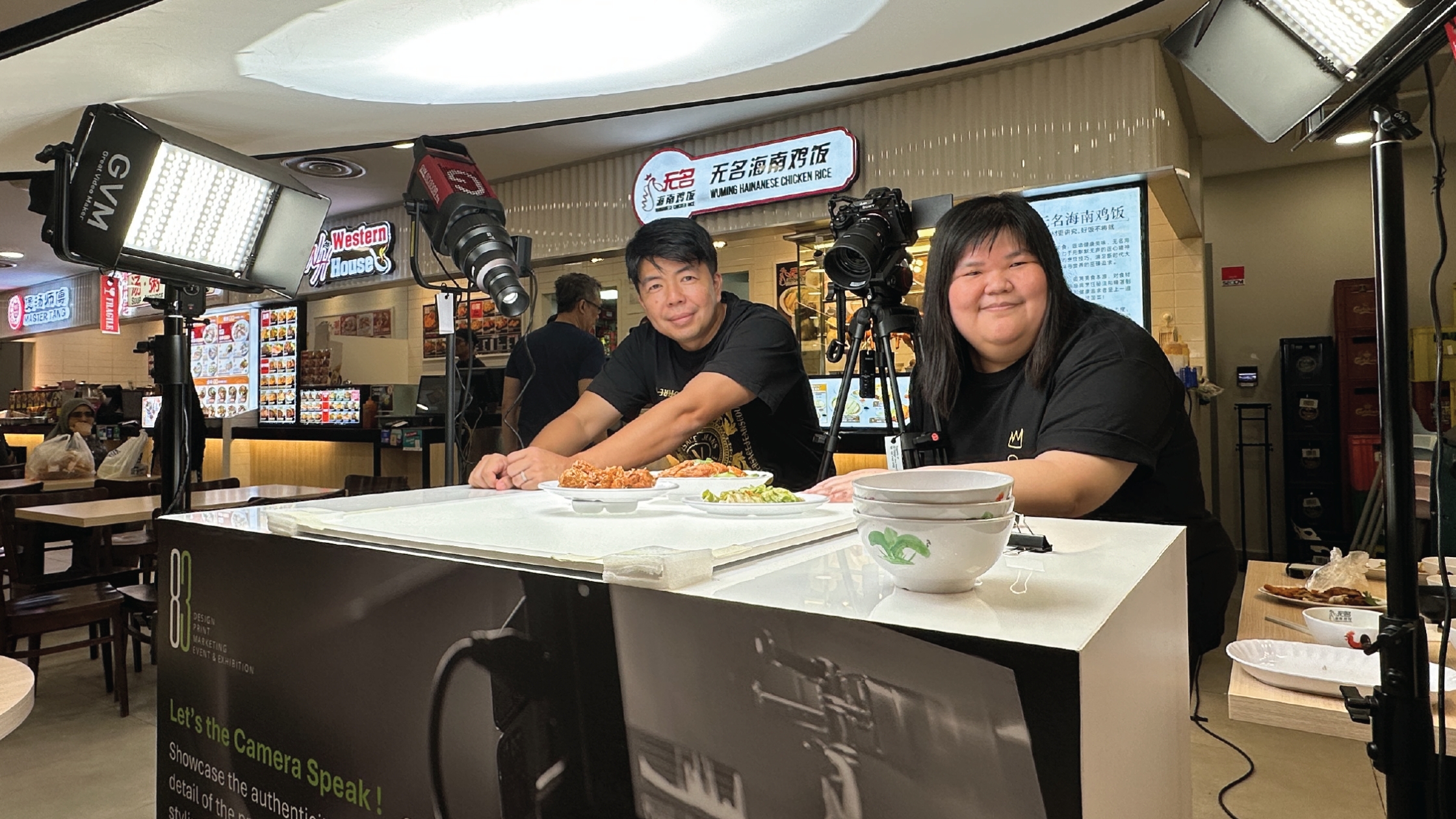
When we are working on images that have to be sizeable across menus, brochures or large format prints, controlled lighting systems are used to ensure consistency. This is particularly helpful in creating assets that will be reused in various marketing materials like flyers, packaging and display prints so that all the pictures are clear and brand-focused.
Choosing Angles That Actually Work
Angles are not just technical things; they determine the perception of your food. The same dish will look totally different when the camera positioning changes.
To keep things clear, use the following angles:
- Top-down for flat dishes and table spreads that need structure
- 45-degree angle for a natural, real-life dining perspective
- Straight-on angle for height-focused dishes like burgers or layered desserts
When you shoot, always think about what makes that dish stand out. It could be layers, texture, or presentation. Your angle should highlight that one key detail.
Composition That Makes People Stop
Composition is what guides attention. It helps your viewer focus on the right part of the image without confusion.
Start by keeping your frame clean. Your focus should be to stand out. Too many props that compete against each other should be strictly avoided. Instead, you can use the space wisely so the picture looks balanced and effective.
Here are a few simple techniques we use to maintain clarity and structure:
- Place your subject slightly off-center for a more natural feel
- Use elements like cutlery or table lines to guide the eye
- Leave negative space so the design can adapt across formats
Strong composition also allows your visuals to work seamlessly with layouts. This is where creative graphic design execution becomes important, as your food imagery needs to align with design elements across digital and print campaigns.
Styling That Feels Real and Fresh
Food styling should never feel forced. When it looks too good, it starts feeling unrealistic. But when it looks too simple, it becomes unattractive. This balance is what makes it work.
You have to keep things natural. Even minor details like a sauce drip, a fresh garnish or a texture variation can make the picture seem more authentic and closer to life. These food photography secrets help in building credibility with your audience.
Texture plays a big role here. Combining soft and crisp points in a single frame is a depth enhancer and makes the dish more interesting to the eye. When done correctly, the image has a sense of effortlessness and yet feels purposeful.
Bringing Everything Together for Better Results
When lighting, angles, and composition come together, your visuals start working as complete marketing assets. They are no longer just images; they become tools that support your brand communication.
At 83 DPME (Design, Print, Marketing, Event & Exhibition), we approach every visual with a bigger picture in mind. Whether it’s for a menu, promotional material or an event display, every picture is created to fit into a larger plan. This makes everything consistent throughout the various touchpoints, including the print and on-ground branding.
Making Your Brand Instantly Recognisable
Your food photography needs to feel like it is a part of your brand. When someone looks at it, they should connect it with your identity. In order to do that, you need consistency in tone, lighting style and overall presentation. A high-end brand can use darker tones and dramatic lighting while a casual brand can be brighter and easy-going.
To ensure this consistency, you need logos that define your brand. Every image should support your identity and reinforce how your brand is perceived. When everything aligns, your visuals do more than just attract attention. They build credibility and improve your brand image over time.
Conclusion
The art of great food photography does not lie in making things too complex. It is all about doing the fundamentals and doing them right. When you concentrate on natural lighting, angles that make the most of things and a composition that keeps everything clean, your pictures begin to show actual results.
If you want to learn more about how photography and print can improve your food business’s visibility, contact us at 83 DPME (Design, Print, Marketing, Event & Exhibition) and explore our print and design services.

No Comments