03 Sep How to Build a Thematic Concept That Brings Your Brand to Life at Events
What makes people remember one exhibition booth while walking past dozens of others? It is rarely just the size of the stand or the number of brochures on display. More often, it is the experience a clear concept that captures attention, communicates what the brand represents and gives visitors something worth remembering.
This is particularly important in Singapore’s competitive business events and exhibitions sector, where brands often compete for attention in the same venue. A strong thematic event concept gives your brand a clear creative direction that can influence everything from booth design and lighting to printed materials, staff interactions and visitor activities.
Rather than treating each element as a separate piece, the goal is to create one cohesive experience that visitors can recognise, understand and remember.
Start With the Story Your Brand Wants to Tell
Before choosing colours, displays or interactive technology, establish the central message of your event.
Ask yourself: What should visitors understand about our brand after they leave? Do you want to position the business as innovative, sustainable, premium, approachable or technologically advanced?
The answer should influence the entire concept.
For example, a technology company promoting next-generation solutions might build its exhibition around innovation and progress, using modern structures, digital displays and dynamic lighting. A company focused on sustainability could incorporate natural textures, environmentally responsible materials and messaging centred on sustainable practices.
The theme should not simply look attractive. It should give visitors a quick understanding of who you are and why your brand matters.
Turn the Theme Into a Consistent Visual Experience
Once the central idea is established, translate it across the physical space.
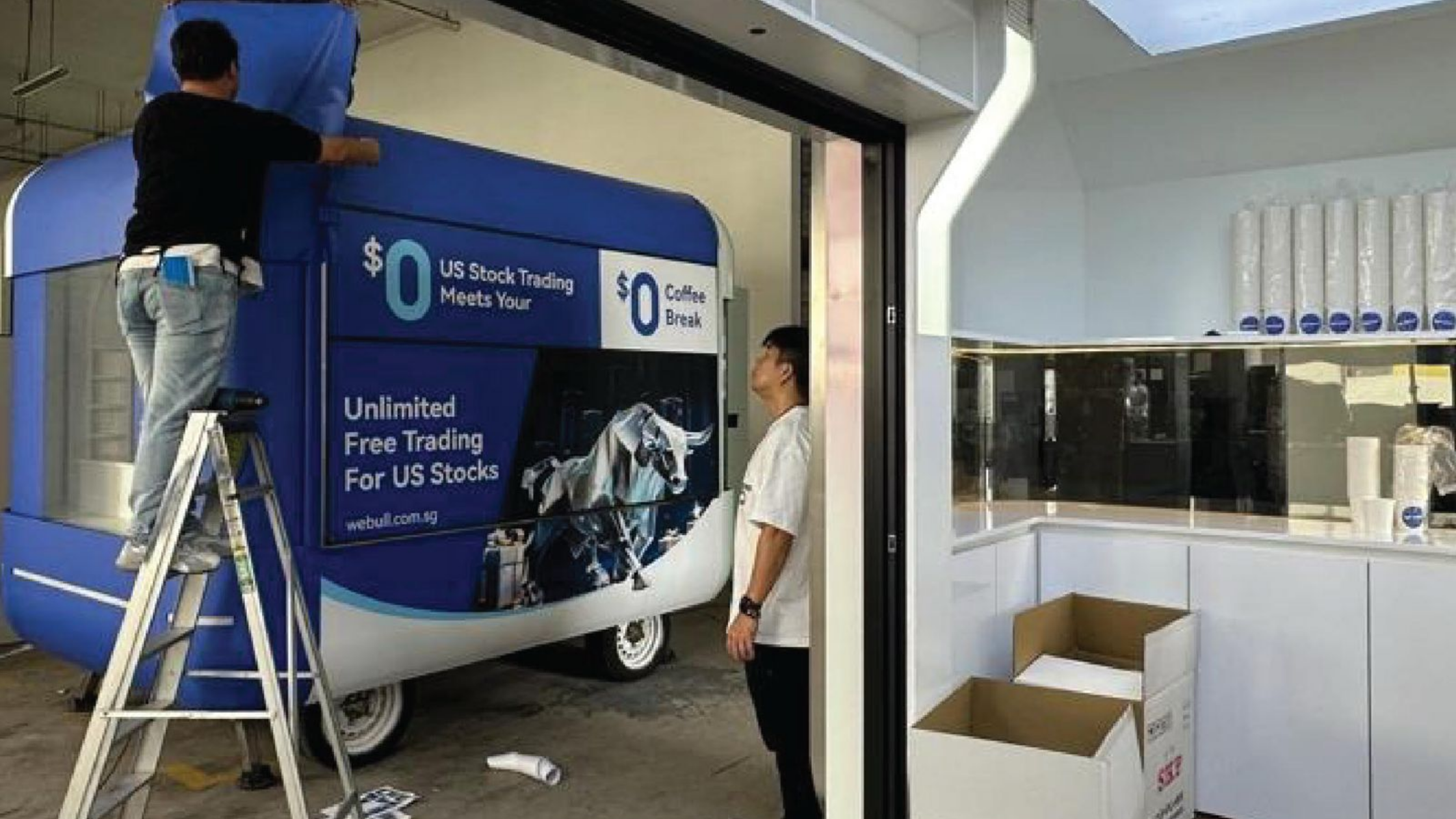
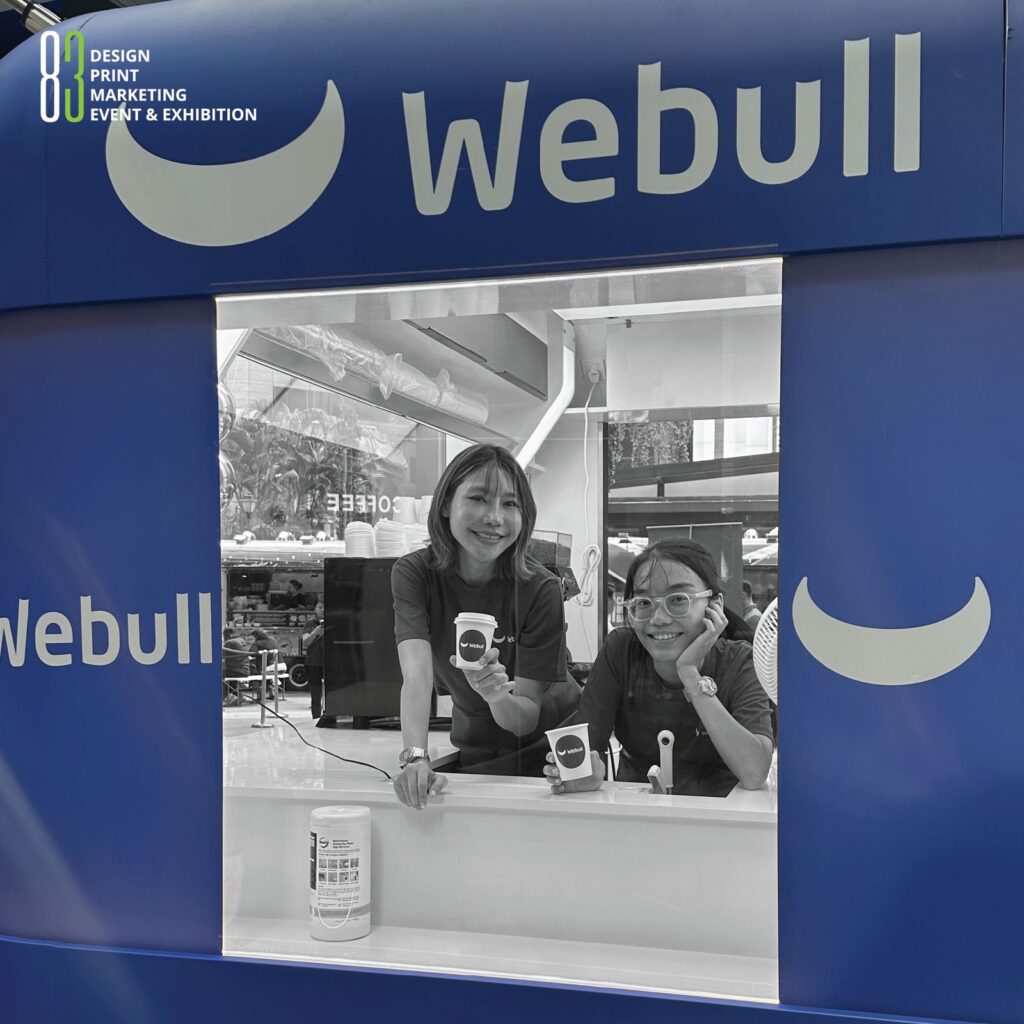
Think about what visitors will notice from a distance, what will draw them closer and what they will encounter once they enter the booth. Your backdrop, signage, lighting, display structures, colours and graphics should all support the same concept.
Consistency is particularly important at exhibitions because visitors often form an impression of a brand within seconds. A visually disconnected booth can make even a strong company appear unorganised.
Working with an experienced event management company can help turn the creative concept into a practical exhibition environment while ensuring the design works within the available space, budget and event requirements.
Make Printed Materials Part of the Experience
Your event theme should not stop at the booth itself.
Brochures, flyers, business cards, catalogues, promotional materials and other printed assets should reinforce the same visual identity. If the exhibition space communicates innovation but the printed materials use unrelated imagery and messaging, the visitor experience can quickly feel fragmented.
Instead, treat print as another opportunity to reinforce your story. Typography, imagery, messaging and design should feel like natural extensions of the main concept.
You can also explore how professional design, print, marketing and event exhibition services can work together to create greater consistency across your event presence.
Give Visitors a Reason to Stop and Participate
A visually impressive booth may attract attention, but interaction can turn that attention into genuine engagement.
Consider activities that allow visitors to experience your brand rather than simply look at it:
- Live product demonstrations: Show visitors how your product or service works in a practical setting.
- Interactive screens: Allow guests to explore products, services, catalogues or branded content.
- Photo opportunities: Create a themed backdrop or installation that encourages visitors to take and share photographs.
- Short presentations: Use scheduled talks, demonstrations or Q&A sessions to provide useful information while creating opportunities for conversation.
The right activity depends on your audience and event objectives. The goal is not to add interaction simply for the sake of it. Each activity should reinforce your central theme and give visitors a meaningful reason to engage with your brand.
Make Sure the Experience Works Beyond the Design
A strong concept can still fall flat if the execution is poorly managed.
Before the event begins, check that graphics, signage and printed materials are accurate and ready for installation. Test lighting, screens, sound systems and other technology. Make sure displays are positioned correctly and that visitors can move comfortably through the space.
Your event team also plays an important role. Staff should understand the central message and know how to communicate with visitors consistently. If the booth promises an innovative experience but the team cannot explain the product or engage visitors effectively, the concept loses its impact.
Good execution ensures that the idea you developed on paper translates into the experience visitors actually have.
Build an Event Concept People Remember
A successful exhibition presence is not created by adding more displays, graphics or technology. It starts with one strong idea and carries that idea consistently through every part of the visitor experience.
A well-developed thematic event concept can help your brand stand apart, communicate its values more clearly and create stronger opportunities for meaningful conversations. From the first visual visitors see to the conversation they have with your team, every element should feel like part of the same story.
If you want to create an exhibition or corporate event that goes beyond simply displaying your brand, 83 Design Marketing Print can help bring the concept, visual presentation and event execution together into a cohesive experience.

No Comments